
Keratopigmentation Eye Colour Change in Turkey — Femtosecond-Assisted Intrastromal Pigmentation at Eyeglow Istanbul
Permanent eye colour change through femtosecond-assisted intrastromal keratopigmentation — not iris implants. Honest disclosure: irreversible colour, expected visual disturbances for 3 to 12 months, lifelong IOP monitoring required. Coloured contact lenses are recommended first for purely cosmetic cases. Candidacy confirmed only after full pre-operative ocular health assessment by our refractive surgical team.
Verified and listed across leading directories and authorities


What is keratopigmentation eye colour change surgery?
Keratopigmentation is a surgical procedure that permanently changes apparent eye colour by injecting biocompatible micronized pigment into an intrastromal tunnel created by a femtosecond laser in the peripheral cornea. The pigment modifies the colour seen over the iris when the eye is viewed from the front. It is a corneal procedure — the iris is not modified. This procedure is permanent, irreversible and carries lifelong IOP monitoring requirements. Coloured contact lenses are recommended as the first choice for purely cosmetic colour change.
At Eyeglow Health, keratopigmentation is led by our refractive surgical team, with pre-operative assessment by our surgical team where glaucoma workup requires it. The procedure is not offered as a routine cosmetic service — candidacy requires a full ocular health baseline (IOP, gonioscopy, pachymetry, endothelial count) confirming no pre-existing angle or pressure pathology.
Eyeglow does not offer cosmetic iris implants (BrightOcular, Newcoloris or equivalent). The American Academy of Ophthalmology Patient Safety Bulletin (2014) and FDA MedWatch safety communications (2014, 2016) document cluster cases of glaucoma, cataract and irreversible vision loss from cosmetic iris implants in healthy eyes. This information is shared transparently on this page — not suppressed — because informed patients make decisions with complete information.
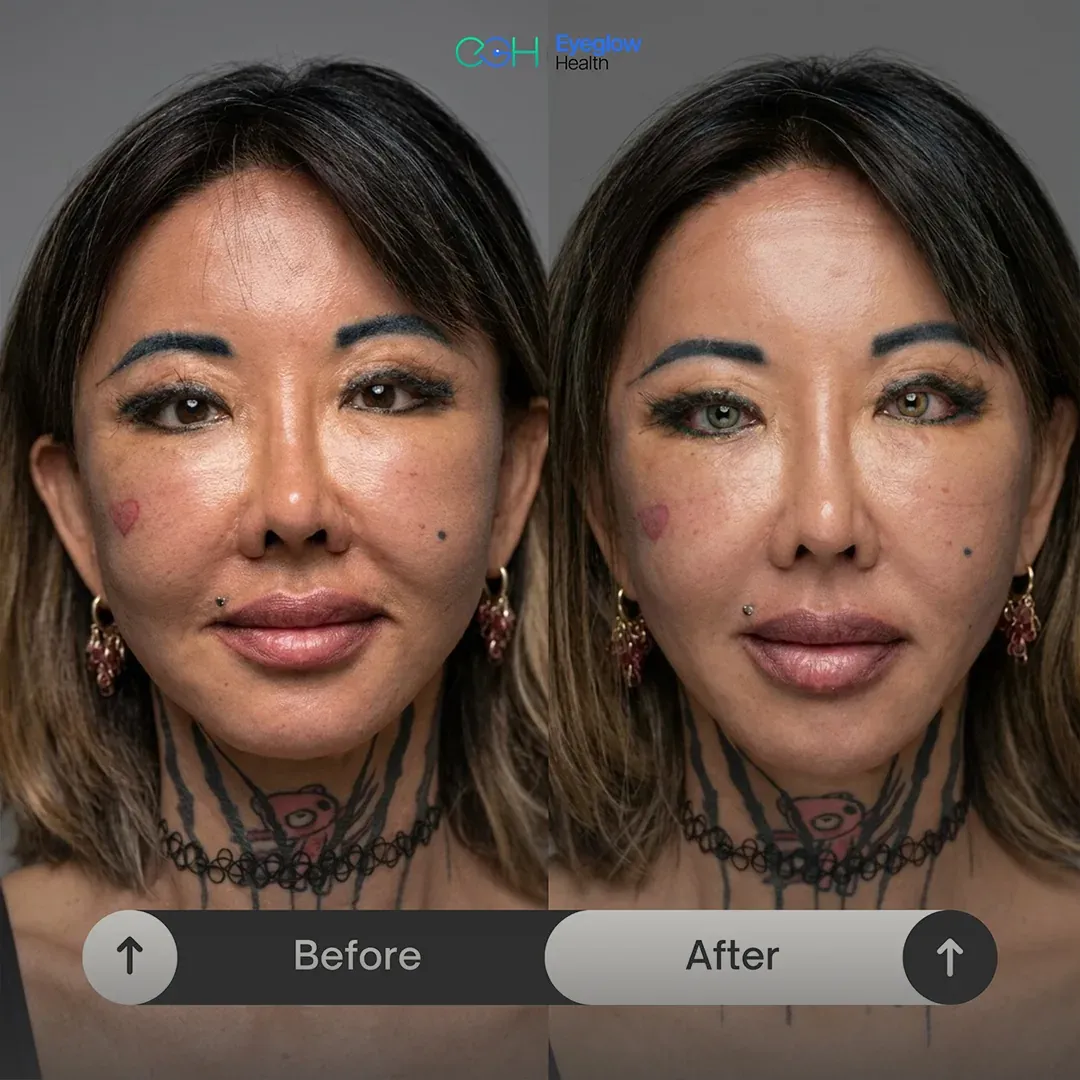
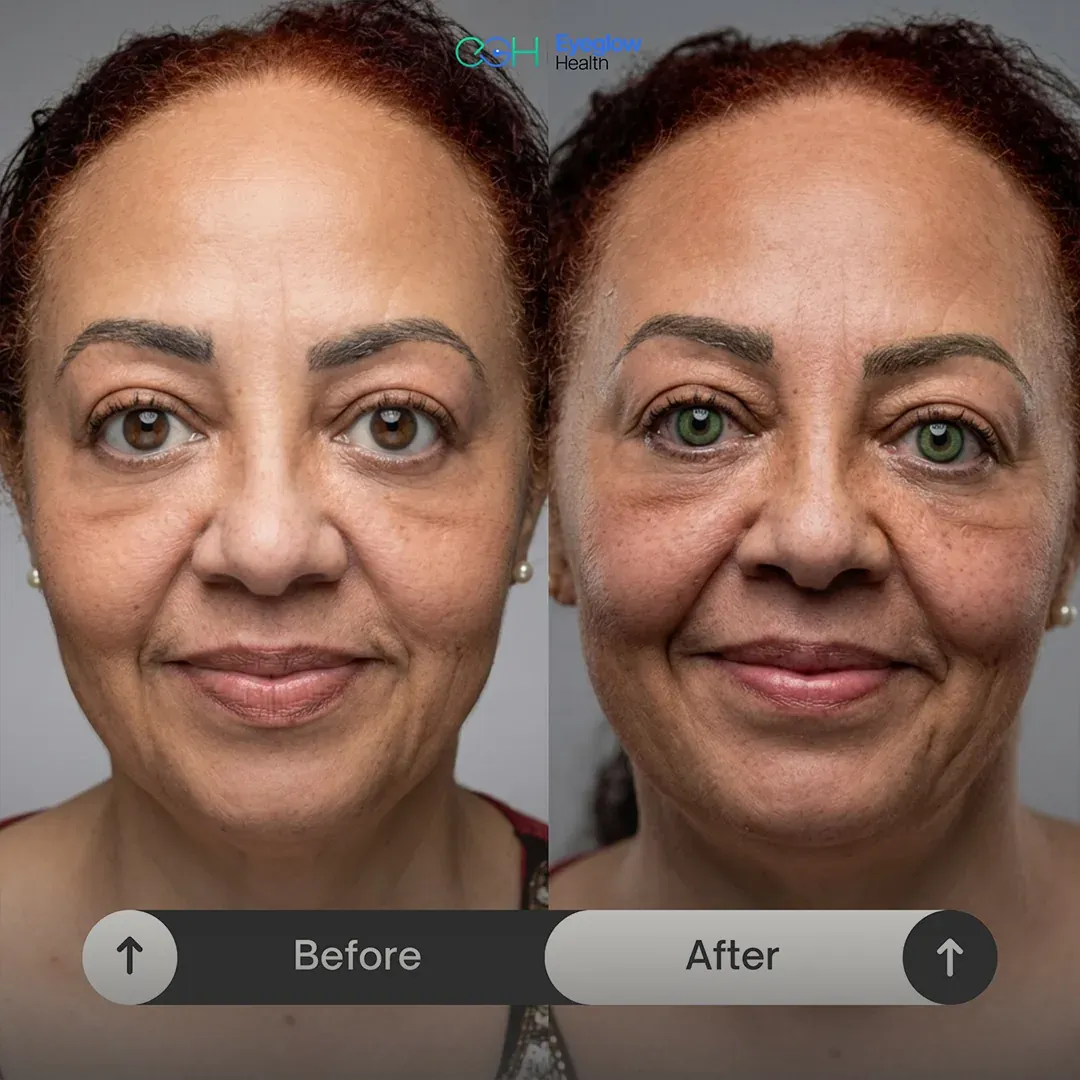
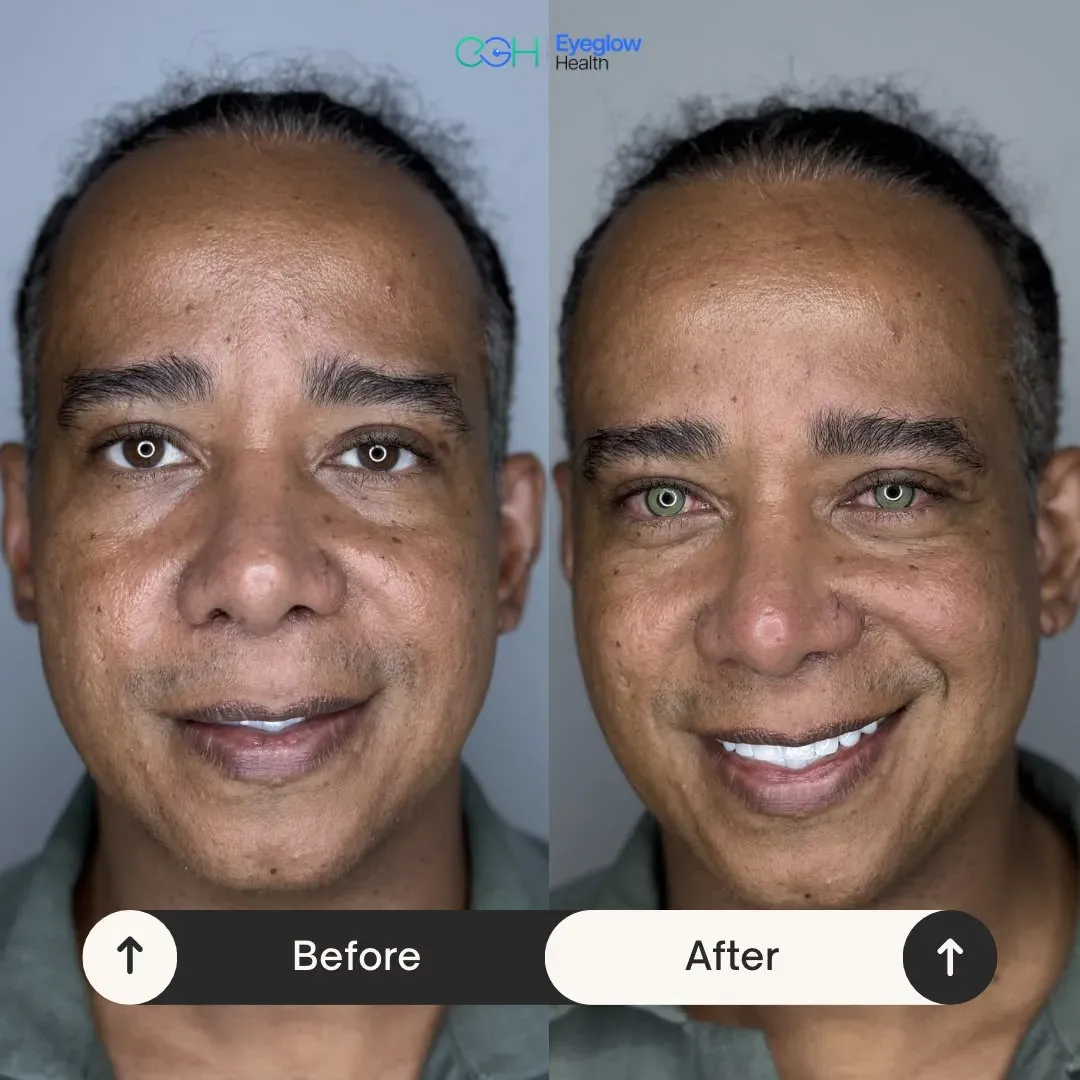
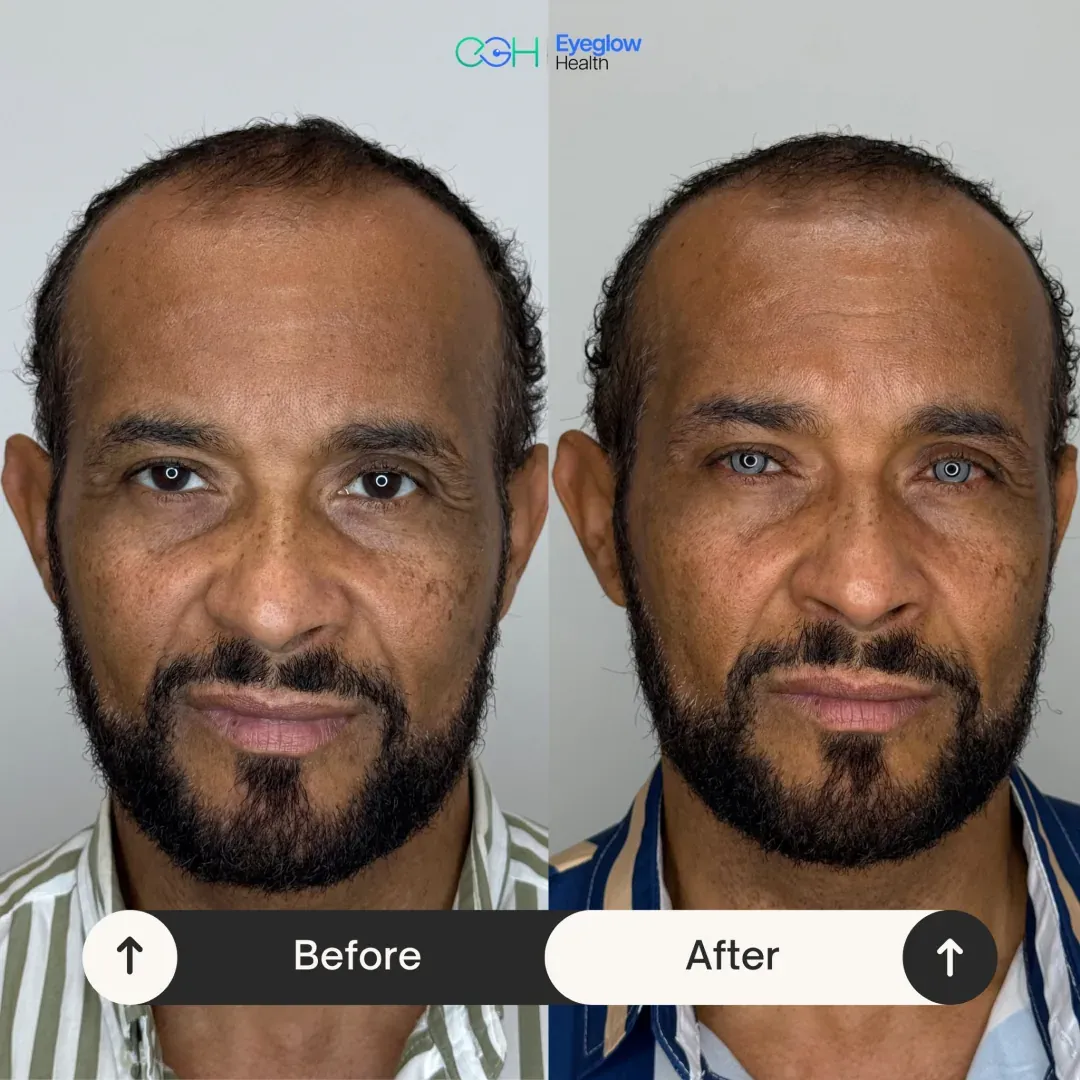
Before and after, on camera
Each patient's experience is unique. Results may vary.
From candidacy assessment to colour change
- 01
Candidacy assessment and risk counselling
You share your ocular history, current medications, family history of glaucoma, contact lens use, and your motivation (cosmetic colour change vs functional indication such as albinism or iris defect). Our refractive surgical team reviews your case and conducts a pre-operative assessment that includes baseline intraocular pressure (IOP), corneal topography, pachymetry, anterior chamber depth, angle assessment (gonioscopy), and slit-lamp examination. Patients with existing elevated IOP, glaucoma, very shallow anterior chambers, active corneal disease, or significant dry eye are not suitable candidates. For purely cosmetic colour change without a functional indication, our team will discuss coloured contact lenses as the lower-risk alternative that should be tried first.
- 02
Pre-operative imaging and pigment colour selection
On the day before surgery, Pentacam topography confirms pachymetry (a minimum corneal thickness is required to create the intrastromal tunnel safely without approaching the endothelium). Specular microscopy assesses endothelial cell density. The tunnel depth is planned at approximately 80 percent of corneal thickness — leaving an adequate posterior stromal bed to protect the endothelium and avoid limbal stem cell injury. Pigment colour is selected from the available biocompatible micronized pigment range; patients are shown colour samples and realistic digital simulations. Pigment selection is permanent — the colour cannot be reliably changed after implantation.
- 03
Femtosecond laser tunnel creation
Under topical anaesthesia, the femtosecond laser creates a precise annular intrastromal tunnel at the planned depth. The tunnel is centred on the visual axis and sized to create the desired annular colour appearance around the pupil. The femtosecond laser's precision — the same platform used for corneal refractive surgery at Eyeglow — allows consistent tunnel geometry and avoids the irregular planes associated with older mechanical keratome-based keratopigmentation techniques. Total laser time is approximately 10 to 15 minutes per eye.
- 04
Intrastromal pigment injection
Through a small corneal entry incision at the tunnel edge, biocompatible micronized pigment is injected into the intrastromal tunnel using a cannula. The pigment fills the annular space and creates the appearance of a changed iris colour when viewed from the front. The entry incision is small enough to be self-sealing in most cases. The eye is irrigated and a bandage contact lens is placed. The patient is observed for 1 to 2 hours post-operatively for IOP monitoring and acute pigment dispersion assessment.
- 05
Day-1 and day-5 reviews
Day 1: IOP check (Goldmann applanation or iCare rebound tonometry), slit-lamp assessment for anterior chamber pigment dispersion, endothelial cell examination, and visual quality assessment. If IOP is elevated above 21 mmHg, a topical IOP-lowering agent (timolol, brimonidine) is initiated. Patients are counselled that mild-to-moderate glare, halos around lights and slight blur are expected and typically improve over 3 to 12 months as the pigment settles and any corneal oedema from the procedure resolves. Day-5 review repeats these assessments and the patient is cleared for travel home with written IOP monitoring instructions.
- 06
Lifelong IOP and corneal monitoring
Keratopigmentation carries a permanent risk of pigment dispersion into the anterior chamber and trabecular meshwork — similar in mechanism to pigment dispersion syndrome. This risk does not disappear with time. Patients must undergo annual IOP and optic nerve assessment with a local ophthalmologist for life. At Eyeglow, a structured lifelong monitoring plan is provided in writing at discharge, including the IOP threshold at which medical treatment should be initiated (22 mmHg on two occasions) and the ophthalmology referral criteria. Patients are informed clearly that failure to maintain this monitoring carries the risk of undetected glaucoma.
FAK vs surface keratopigmentation vs iris implants — an honest comparison
Three approaches exist for surgical eye colour change. Eyeglow offers only femtosecond-assisted keratopigmentation (FAK). The comparison below includes iris implants with full safety disclosure:
| Aspect | FAK (Femtosecond — Eyeglow) | Surface Keratopigmentation | Iris Implants (NOT offered) |
|---|---|---|---|
| Technique | Femtosecond-assisted keratopigmentation (FAK) — intrastromal annular tunnel + biocompatible pigment injection | Surface keratopigmentation — manual epithelial abrasion + pigment application to anterior stroma | Iris implants (BrightOcular, Newcoloris, ARTISAN cosmetic) — silicone disc placed in anterior chamber over the iris |
| Availability at Eyeglow | Available — Eyeglow standard technique | Not offered — less precise, higher epithelial risk than FAK | NOT offered — Eyeglow does not perform iris implants |
| Permanence | Permanent — pigment colour cannot be reliably removed or changed | Permanent — similar irreversibility to FAK | Implant can be surgically removed — but removal carries significant intraocular risk |
| Visual disturbance | Glare, halos, contrast sensitivity reduction — most cases 3–12 months; may persist permanently in some patients | Glare and halos — similar to FAK; irregular surface adds additional distortion | Glare, halos, diplopia, potentially severe — IOL/implant damage to angle structures, chronic uveitis |
| IOP and glaucoma risk | Pigment dispersion into anterior chamber — lifelong IOP monitoring required; glaucoma risk present | Lower pigment dispersion risk than intrastromal, but anterior chamber migration possible | HIGH — pigment dispersion glaucoma, angle closure, iris chafing cluster cases reported. FDA MedWatch warnings issued (2014, 2016). |
| FDA / regulatory safety | Femtosecond laser is FDA-cleared for refractive use; keratopigmentation is an off-label cosmetic application in most jurisdictions. No specific FDA approval for keratopigmentation pigments. | No regulatory approval; older technique | FDA MedWatch warnings. AAO Patient Safety Bulletin (2014) warns against cosmetic iris implants. Not FDA-approved for cosmetic use. Serious adverse event reports including glaucoma, cataract, blindness. |
| Recommended for purely cosmetic use? | Coloured contact lenses are recommended first. FAK is appropriate when contact lenses are not tolerated or for functional indications (albinism, iris defect). | Not recommended | NOT recommended — FDA warnings, irreversible serious complications reported |
Iris implants are listed for informational completeness only. Eyeglow does not offer, perform or refer patients for cosmetic iris implants. FDA warnings and AAO Safety Bulletin are cited above as primary sources.
Keratopigmentation pricing
All-inclusive Eyeglow package pricing. Your final, personalised quote is confirmed after imaging review — with no obligation.
| Procedure | Eyeglow price (all-inclusive) |
|---|---|
| Keratopigmentation — bilateral (both eyes, femtosecond-assisted) | from €3,500 |
| Keratopigmentation — unilateral (one eye, iris defect / functional) | from €2,500 |
What's included in your keratopigmentation package
Included in package
- Pre-operative candidacy assessment (IOP baseline, topography, pachymetry, gonioscopy, specular microscopy)
- Surgeon-led consultation + informed consent for permanent procedure
- Femtosecond laser tunnel creation + intrastromal pigment injection (bilateral or unilateral)
- VIP airport transfers (return)
- Bandage contact lens + post-op drops kit
- Day-1 and day-5 slit-lamp + IOP review in Istanbul
- Written lifelong IOP monitoring plan in your language
- Multilingual coordinator — 24/7 access for 12 months post-procedure
Paid separately
Items below are not part of the medical package — your coordinator helps arrange them at no markup.
- Flights to/from Istanbul
- Personal expenses
- Annual IOP and optic nerve monitoring at your local ophthalmologist (lifelong — required)
- IOP-lowering medication if pigment dispersion glaucoma develops post-operatively (managed by your local ophthalmologist)
- Pigment colour change or removal procedures (technically limited — not routinely offered)
- Unrelated medical treatments
- Travel insurance (recommended — covers flight cancellation, baggage, non-surgical medical emergencies abroad; we coordinate referral if needed)
A keratopigmentation patient shares her experience
This interview was recorded after surgery with written consent. It reflects one individual's experience — outcomes, recovery and visual adaptation vary between patients.
"I look in the mirror and it's still surreal."
Silvia travelled from Spain for keratopigmentation — femtosecond laser-assisted iris colour change — after a long pre-operative consultation about candidacy, risks and realistic expectations.
Watch the full storyColour change results from our own cases
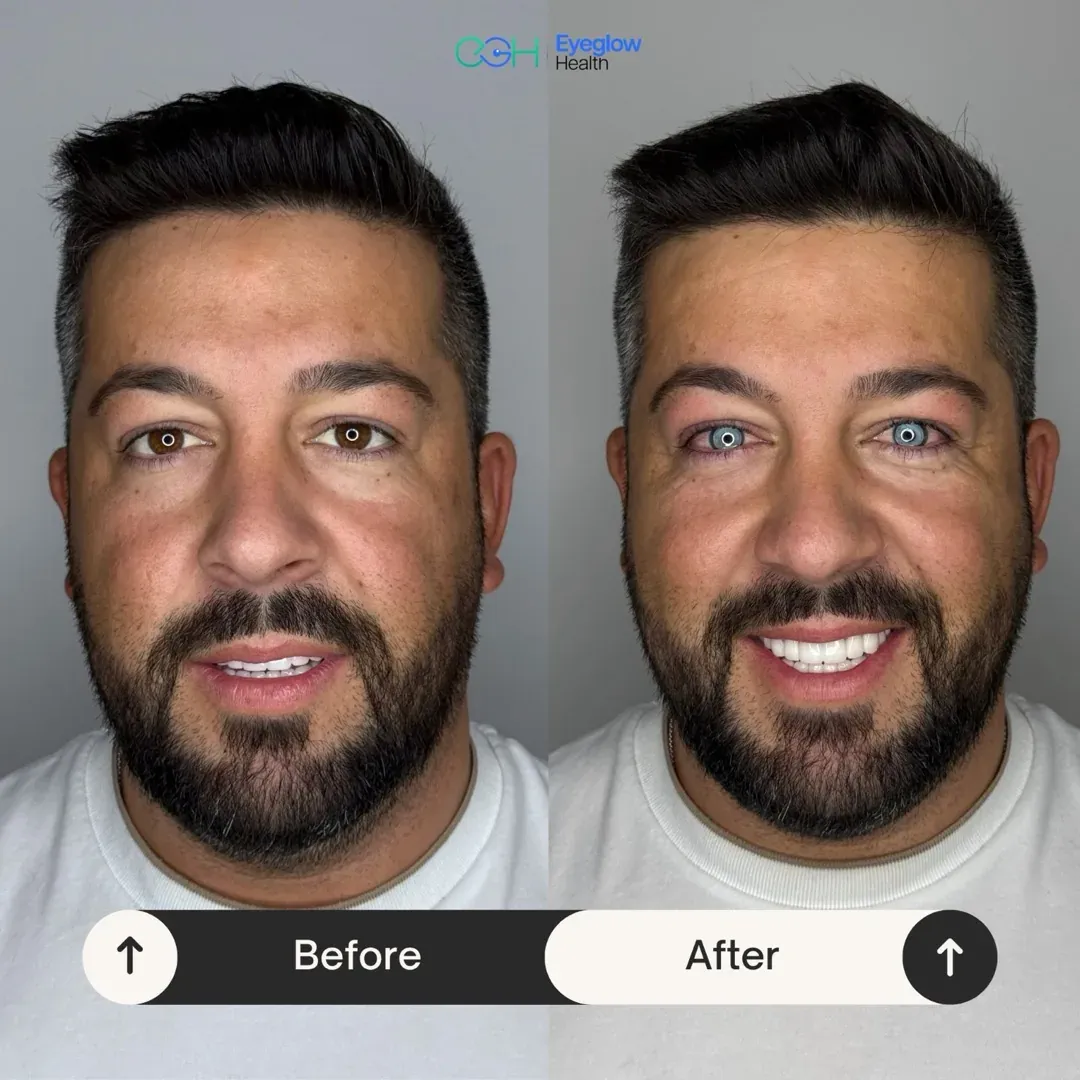
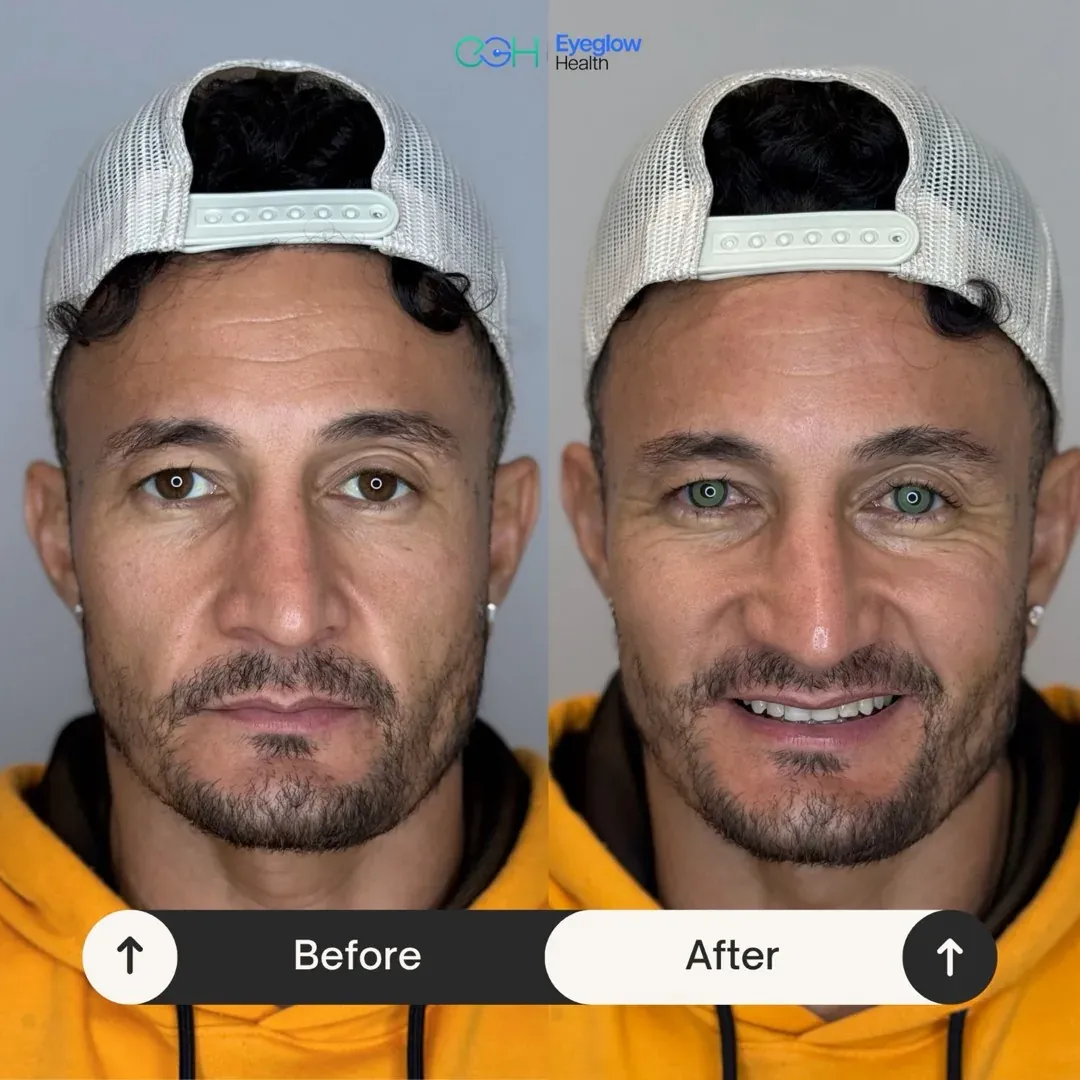
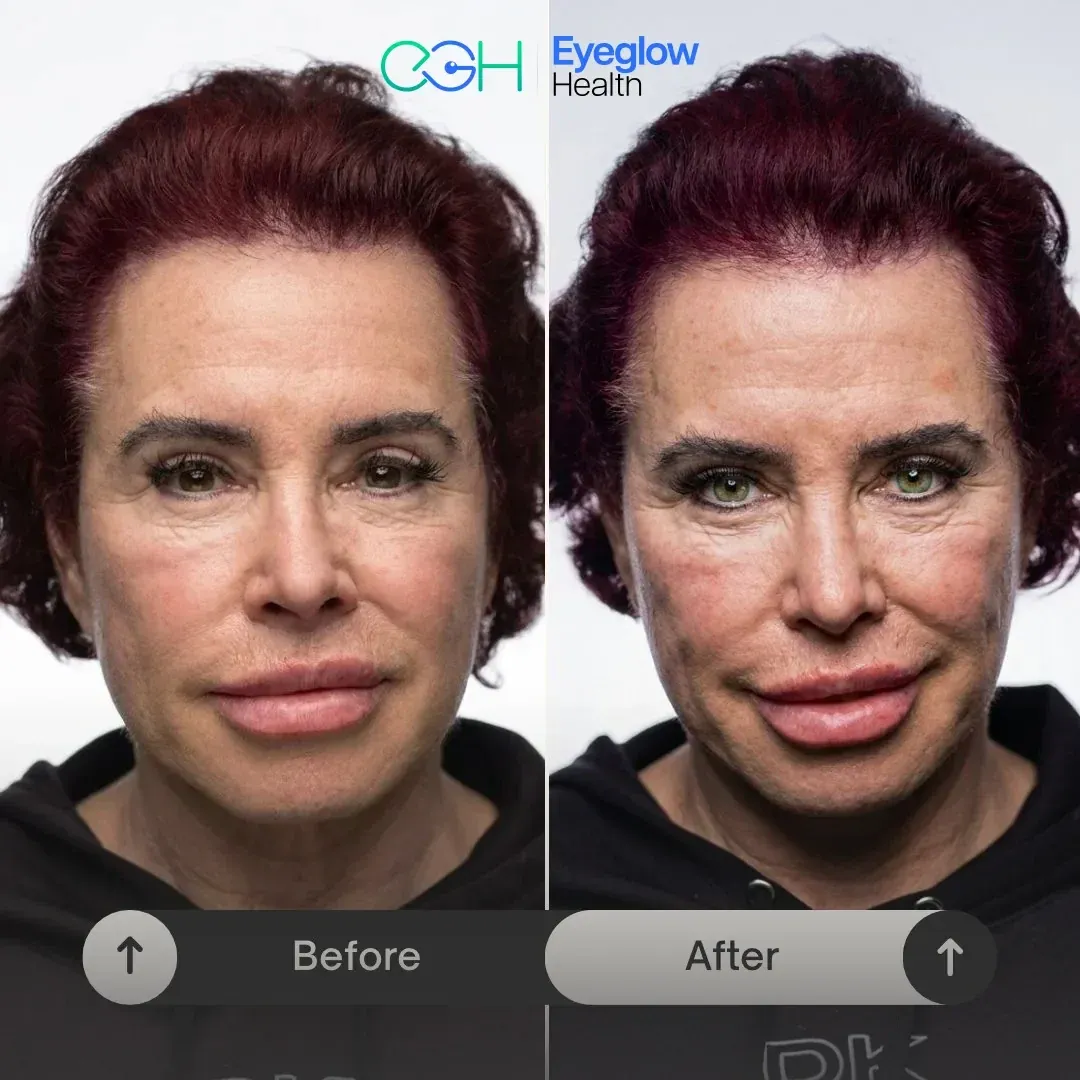
Cases from our refractive surgical team in Istanbul, documented before the procedure and after healing. The final tone depends on your starting iris colour and cannot be matched to a chosen shade in advance.
Published with documented written patient consent. Outcomes vary between patients — these images are not a promised result. Please read the risks section below.
The surgeons who will care for you
Your procedure is carried out by our refractive surgical team at our partner accredited hospital in Istanbul. Their training and sub-specialty focus are shown below.
Medically reviewed byAssoc. Prof. Dr. Muhammet Derda Özer, FICO

Assoc. Prof. Dr. Muhammet Derda Özer, FICO
Operating Surgeon
Specialises in ocular oncology, vitreoretinal diseases, cataract, refractive, corneal transplantation, glaucoma and pediatric ophthalmic surgery — more than 30,000 ophthalmic operations across a 14-year clinical career.
View full profile
Op. Dr. Önder Aslan
Operating Surgeon
Board-certified ophthalmologist whose surgical practice spans anterior-segment procedures with oculoplastic and retinal sub-specialties — cataract, refractive, eyelid surgery and pediatric eye examinations including retinopathy of prematurity.
View full profile
Op. Dr. Muhammed Talha Sadık
Operating Surgeon
Board-certified ophthalmologist working across vitreoretinal disease, refractive, cataract and glaucoma surgery, with an active anterior- and posterior-segment surgical caseload.
View full profileAre you a candidate for keratopigmentation?
You may be a candidate if
- You have a congenital or acquired iris defect (aniridia, iris coloboma, traumatic iris loss, surgical iris damage) where pigmentation serves a functional purpose — reducing photophobia and restoring cosmetic symmetry.
- You have albinism with documented photophobia and iris transillumination where corneal pigmentation can reduce light scatter.
- You have a documented history of contact lens intolerance (Giant papillary conjunctivitis, recurrent corneal erosions, severe dry eye preventing lens wear) and wish a permanent colour change for cosmetic reasons.
- You have a clear understanding that the colour change is permanent, that visual disturbances (glare, halos) are expected for 3 to 12 months, that lifelong IOP monitoring is required, and that insufficient 10-year long-term data exist to characterise all long-term risks.
- Your baseline IOP is normal (≤21 mmHg on two measurements), your anterior chamber angle is open on gonioscopy, your endothelial cell count is adequate (>2,000 cells/mm²), and your corneal pachymetry permits a safe tunnel depth.
Eyeglow will decline this procedure if
- You have existing elevated IOP (above 21 mmHg), open-angle glaucoma or narrow-angle anatomy — keratopigmentation carries pigment dispersion risk and cannot safely be performed when pressure management is already precarious.
- You have a history of pigment dispersion syndrome, exfoliative glaucoma, or pseudoexfoliation — conditions in which the trabecular meshwork is already susceptible to pigment loading.
- You have active corneal disease — keratoconus, corneal dystrophy, previous corneal surgery with thin residual stroma, or active ocular surface inflammation — where creating an intrastromal tunnel carries a higher risk of corneal compromise.
- You are considering this procedure solely for cosmetic colour change and have not yet tried coloured contact lenses as a reversible, lower-risk alternative. Eyeglow does not offer keratopigmentation to patients who have not had a trial of coloured contact lenses and found them medically unsuitable.
- You are under 21 years of age — pupil size variability continues into early adulthood, and the long-term risk profile of permanent corneal pigmentation in younger patients is not established.
- You expect a perfectly natural, photorealistic iris appearance after surgery. Keratopigmentation creates an annular colour overlay — it does not replicate the detailed texture, pupil edge definition or translucent appearance of a natural iris. Expectations must be realistic and based on published photographic outcomes, not aspirational digital simulations.
Disclaimer. Information on this page is consistent with published clinical evidence — D'Oria, Alió et al., Cosmetic Keratopigmentation in Sighted Eyes: Medium- and Long-term Clinical Evaluation, Cornea (2021) — together with FDA MedWatch safety communications on cosmetic iris implants (2014, 2016), the AAO Patient Safety Bulletin on iris implants (2014) and Eyeglow's internal candidacy protocol. It is educational and not a clinical recommendation. Keratopigmentation is a permanent, irreversible procedure with known long-term monitoring requirements. The Eyeglow consultation is provided at no charge and without obligation; candidacy cannot be confirmed without the pre-operative ocular health baseline.
The risks you must understand before considering this procedure
Keratopigmentation is a permanent cosmetic procedure in a healthy eye. The risks below are presented in full — not minimised — because long-term monitoring compliance depends on patients understanding why it matters:
IOP elevation and pigment dispersion glaucoma
Intrastromal pigment can migrate into the anterior chamber and deposit in the trabecular meshwork, impairing aqueous drainage and elevating IOP. This risk is present from the time of surgery and does not diminish with time — it requires lifelong ophthalmological monitoring. IOP elevation responds in most cases to topical IOP-lowering drops, but a proportion of patients may require laser trabeculoplasty or surgical glaucoma intervention. Patients with a family history of glaucoma carry elevated background risk and are counselled accordingly.
Visual disturbances — glare, halos, contrast reduction
Intrastromal pigment creates light scatter around the visual axis — glare around bright lights, halos around light sources at night, and mild reduction of contrast sensitivity are expected in the first 3 to 12 months as the cornea acclimates and any procedural micro-oedema resolves. In the majority of patients these improve substantially by 12 months. In a minority, some degree of persistent glare or reduced night vision remains permanently — particularly in patients with larger scotopic pupils where the pigment ring encroaches on the mesopic pupil zone. Night driving may be affected.
Limbal stem cell injury
The intrastromal tunnel is created near the limbal zone where corneal stem cells reside. Careful tunnel sizing and depth planning minimises this risk, but a small proportion of procedures create enough peripheral corneal disruption to reduce limbal epithelial reserve over time — potentially manifesting as recurrent corneal erosions or a reduction in epithelial healing capacity years later. This is why our surgical team co-assesses the pre-operative limbal health before any keratopigmentation proceeds.
Corneal complications — dry eye, recurrent erosion
The femtosecond laser dissection creates corneal stromal disruption that can reduce sub-basal nerve density — similar to the mechanism that causes dry eye after LASIK. Significant corneal nerve damage is uncommon with the intrastromal (non-surface) technique, but some patients experience worsened dry eye symptoms post-operatively, particularly those with borderline tear film function at baseline. Recurrent corneal erosion is a rare complication associated with the tunnel entry incision.
Pigment colour impermanence and colour change limitations
While the pigment is intended to be permanent, some colour fading, migration or uneven distribution can occur over years. The pigment cannot be reliably removed with laser or manual techniques — attempts to remove keratopigmentation have resulted in corneal scarring in published case reports. Patients who develop dissatisfaction with the colour outcome have very limited remediation options. This irreversibility is discussed in full written informed consent before surgery.