
Retinal Stem Cell Therapy in Turkey — for Retinitis Pigmentosa, Dry AMD and Retinal Atrophy at Eyeglow Istanbul
Research-stage retinal stem cell therapy for progressive sight loss — mesenchymal stem cell and RPE cell-replacement approaches studied in retinitis pigmentosa, dry AMD and retinal atrophy. The honest goal is to slow progression and, in some patients, achieve some visual gain — not a guaranteed cure. Every case is assessed individually by our retina surgical team before anything is offered.
Verified and listed across leading directories and authorities


What is retinal stem cell therapy?
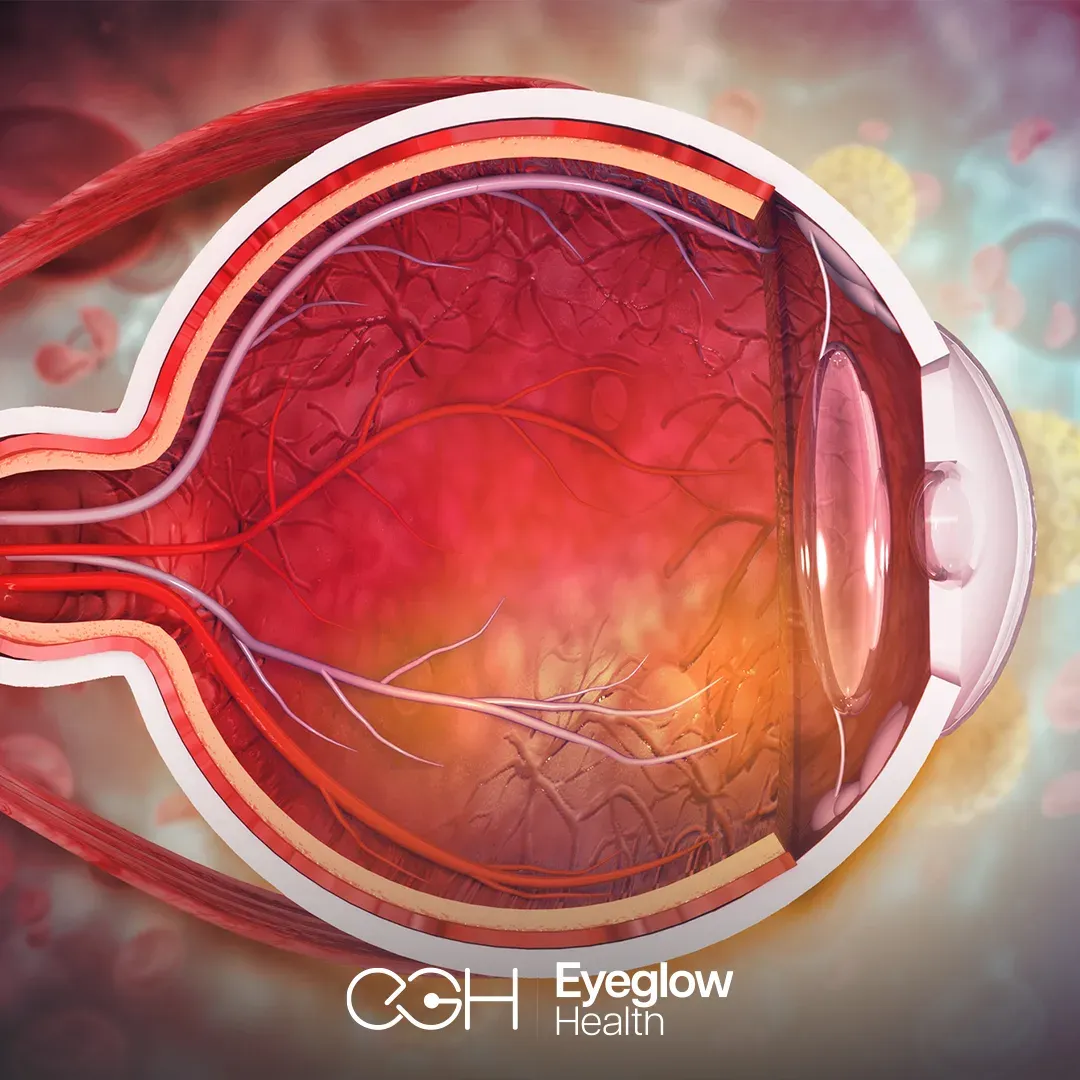
Retinal stem cell therapy is a research-stage treatment that uses stem cells to support and protect the remaining cells of the retina in conditions causing progressive sight loss — mainly retinitis pigmentosa (RP), dry age-related macular degeneration (AMD) and retinal atrophy. Two approaches are studied: mesenchymal stem cells (mostly in RP) and retinal pigment epithelium (RPE) cell replacement (mostly in dry AMD). It is not an established cure — the realistic goal is to slow the disease and, in some patients, achieve some visual gain.
The evidence is best described as promising but not yet conclusive. In retinitis pigmentosa, studies have reported visual-acuity improvement in roughly 49 percent of patients at 6 months, with about 30 percent maintaining that improvement at 1 year. In dry AMD, RPE cell-replacement studies have reported a meaningful visual gain in some patients, with no serious safety problems seen to date. Results are generally better in early-to-intermediate disease than in advanced retinal atrophy, where little functional retinal tissue remains.
At Eyeglow Health, every case is reviewed by our retina surgical team and you receive a written, honest evidence summary specific to your disease and stage — including what is uncertain. We do not promise a cure, and we tell you plainly when you are not a suitable candidate. The procedure takes about 30 minutes under local anaesthesia, with structured follow-up at 6 and 12 months to measure any change against your baseline imaging.
From retinal assessment to structured follow-up
- 01
Online retinal assessment
You share your recent macular and retinal OCT, electroretinogram (ERG), visual field test, fundus photography and — for retinitis pigmentosa — any genetic test results, along with your visual-acuity history. Our retina surgical team reviews your diagnosis (retinitis pigmentosa, dry AMD or retinal atrophy), the stage of disease, and whether stem cell therapy is a reasonable option for you — or whether established treatment or monitoring is more appropriate — before anything is proposed.
- 02
Pre-procedure imaging in Istanbul
On arrival we repeat macular and wide-field OCT, ERG, visual field testing, fundus autofluorescence and visual acuity. These document your baseline retinal structure and function, confirm the disease stage, and give an objective reference point against which any change after treatment is measured.
- 03
Honest eligibility and expectation setting
Retinal stem cell therapy is a research-stage treatment, not an established cure. Our retina surgical team explains the current evidence in plain language: what the studies show, what is still uncertain, and a realistic expectation for your specific disease and stage. Earlier and intermediate-stage disease generally responds better than advanced retinal atrophy. You decide only after every question has been answered in writing.
- 04
The procedure (about 30 minutes, local anaesthesia)
The stem cell approach is matched to the condition — mesenchymal stem cells studied in retinitis pigmentosa, or retinal pigment epithelium (RPE) cell-replacement approaches studied in dry AMD. The procedure is performed under local anaesthesia and takes approximately 30 minutes. The aim is to support remaining retinal function — to slow progression and, in some patients, achieve a measurable visual gain.
- 05
Early post-procedure review
You are reviewed before flying home, with retinal imaging and a visual check to confirm there are no early safety concerns. Reported study experience to date has not shown serious safety problems; any transient effects are monitored and managed during your stay.
- 06
Structured follow-up at 6 and 12 months
Visual acuity, OCT and visual field are repeated on a structured schedule. Published study experience reports visual-acuity improvement in roughly half of treated patients at 6 months, with about a third maintaining that improvement at 1 year — which is why structured longer-term follow-up matters. We provide a written report transferable to your home ophthalmologist for ongoing monitoring.
What the studies show across RP, dry AMD and retinal atrophy
The evidence differs by condition and stage. This is an honest summary of what current research reports — not a promise of outcome:
| Aspect | Retinitis pigmentosa | Dry AMD | Retinal atrophy |
|---|---|---|---|
| Condition | Retinitis pigmentosa (RP) | Dry age-related macular degeneration | Retinal atrophy (other inherited / acquired) |
| Approach studied | Mesenchymal stem cells | RPE (retinal pigment epithelium) cell replacement | Mesenchymal / supportive cell therapy |
| Reported short-term benefit | ~49% show visual-acuity improvement at 6 months | Meaningful visual gain reported in some patients | Better in early-to-intermediate stages |
| Longer-term (1 year) | ~30% maintain the improvement at 1 year | Under study — durability not yet established | Variable; depends on remaining retinal cells |
| Safety signal | No serious safety problems reported to date | No serious safety problems reported to date | Monitored case-by-case |
| Realistic goal | Slow progression + some visual gain | Slow progression + some visual gain | Slow progression; best in earlier stages |
Retinal stem cell therapy is research-stage. Pricing is individual after assessment, and the realistic goal — slowing progression with a possible visual gain, not a guaranteed cure — is set out in writing before you commit.
Personalised pricing
Every treatment plan is priced individually after your consultation and imaging review. Request a written, all-inclusive quote — clear, itemised, and with no obligation.
Request a written quoteWhat's included in your retinal stem cell therapy package
Included in package
- Retinal diagnosis review (OCT, ERG, visual field, genetic test for RP where available)
- Pre-procedure retinal imaging in Istanbul (OCT, ERG, fundus autofluorescence, visual acuity)
- Retina surgical team consultation + honest eligibility assessment
- The stem cell procedure (mesenchymal or RPE approach, as appropriate)
- 5-star hotel — nights as per your treatment plan
- VIP airport transfers (return)
- Post-procedure medication kit
- Early in-Istanbul review before discharge
- Structured 6-month and 12-month follow-up plan (transferable to your home ophthalmologist)
- Multilingual coordinator — 24/7
- Complication insurance — covers eligible post-procedure medical complications during the recovery period at our partner accredited hospital (issued in line with the Turkish Ministry of Health International Health Tourism Authority Certificate)
Paid separately
Items below are not part of the medical package — your coordinator helps arrange them at no markup.
- Flights to/from Istanbul for the procedure and follow-up
- Personal expenses
- Repeat stem cell sessions if recommended — quoted separately
- Treatment of unrelated eye or medical conditions
- Travel insurance (flight cancellation, baggage, general trip cover) — separate from the medical complication policy above; your coordinator can recommend a provider at no markup
The surgeons who will care for you
Your procedure is carried out by our retina surgical team at our partner accredited hospital in Istanbul. Their training and sub-specialty focus are shown below.
Medically reviewed by Assoc. Prof. Dr. Muhammet Derda Özer, FICO
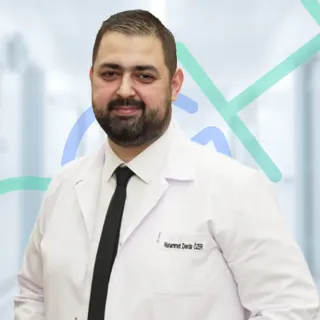
Assoc. Prof. Dr. Muhammet Derda Özer, FICO
Operating Surgeon
Specialises in ocular oncology, vitreoretinal diseases, cataract, refractive, corneal transplantation, glaucoma and pediatric ophthalmic surgery — more than 30,000 ophthalmic operations across a 14-year clinical career.
View full profile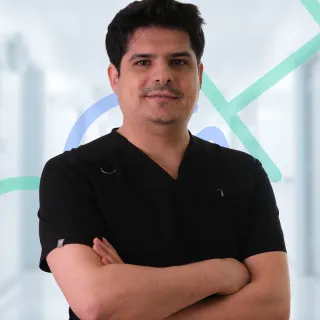
Op. Dr. Önder Aslan
Operating Surgeon
Board-certified ophthalmologist whose surgical practice spans anterior-segment procedures with oculoplastic and retinal sub-specialties — cataract, refractive, eyelid surgery and pediatric eye examinations including retinopathy of prematurity.
View full profile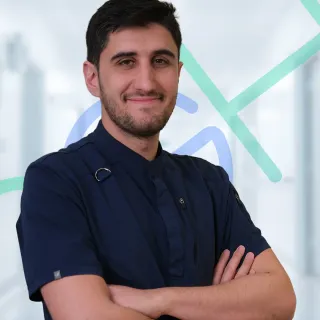
Op. Dr. Muhammed Talha Sadık
Operating Surgeon
Board-certified ophthalmologist working across vitreoretinal disease, refractive, cataract and glaucoma surgery, with an active anterior- and posterior-segment surgical caseload.
View full profileAre you a candidate for retinal stem cell therapy?
You may be a candidate if
- You have a confirmed diagnosis of retinitis pigmentosa (RP), dry age-related macular degeneration (AMD) or retinal atrophy, documented with OCT, ERG and visual field testing.
- You are in the early-to-intermediate stage of disease — outcomes reported in studies are generally better before advanced retinal atrophy develops.
- You understand that retinal stem cell therapy is research-stage, that the goal is to slow progression and achieve some visual gain, and that it is not a guaranteed cure.
- You are able to return for structured 6-month and 12-month follow-up, or to arrange equivalent monitoring with your home ophthalmologist.
- You have realistic expectations and have read the written evidence summary provided before any procedure.
This procedure is not suitable if
- You expect a guaranteed cure or full restoration of normal vision — current evidence does not support this; the realistic goal is to slow progression and, in some patients, achieve a measurable gain.
- You have end-stage retinal atrophy with no measurable remaining retinal function — there is little remaining tissue for stem cell support to act on.
- Your sight loss is from a condition that has an established, evidence-based treatment (for example wet AMD responding to anti-VEGF, or a treatable retinal detachment) — that treatment should be used first.
- You have active intraocular inflammation, uncontrolled infection or other unstable ocular disease — these must be stabilised before any elective procedure.
- You are unable to commit to the structured follow-up needed to monitor safety and outcome over the first year.
Disclaimer. This page reflects the current research-stage status of retinal stem cell therapy. It is educational, not a clinical recommendation, and not a promise of outcome. Reported study data describe visual-acuity improvement in some patients with retinitis pigmentosa and dry AMD — benefit that may not be durable, with results that vary by disease and stage. The Eyeglow consultation is provided at no charge and without obligation; eligibility and a realistic expectation are determined by our retina surgical team from your OCT, ERG and visual field — not from photographs or symptom descriptions alone.
Realistic outcomes — the risks that matter
Retinal stem cell therapy is a research-stage treatment with genuine uncertainties. These are discussed honestly with our retina surgical team during the consultation:
Uncertain long-term benefit
This is the most important honest point. While studies report visual-acuity improvement in roughly half of treated retinitis pigmentosa patients at 6 months, only about a third maintain that improvement at 1 year. Retinal stem cell therapy is research-stage — the durability of any benefit is not yet established, and results vary by disease and stage.
No or limited improvement
Some patients show no measurable visual gain — particularly in advanced retinal atrophy where little functional retinal tissue remains. The realistic goal is to slow progression; a measurable improvement is a possible additional benefit, not a certainty.
Procedure-related effects
As with any intraocular procedure there is a small risk of inflammation, raised eye pressure or infection. Reported study experience to date has not shown serious safety problems, and you are reviewed before discharge and again at structured follow-up so that any effect is detected early.
Possible need for repeat sessions
Because the benefit may not be durable, some patients are advised about repeat sessions. Any recommendation for further treatment is discussed transparently with the evidence, never assumed in advance.