
Gastric Balloon in Turkey — Orbera, Spatz3 & Allurion at Eyeglow Istanbul
Intragastric balloon — reversible, non-surgical weight loss for BMI 27–35. Three device options: Orbera (6-month silicone, FDA-cleared), Spatz3 (adjustable, 12-month), and Allurion (16-week swallowable capsule, no endoscopy). Average 7–15 kg weight loss during the balloon period. Coordinated through our partner accredited endoscopist and nutrition team in Istanbul, with structured 6-month lifestyle programme and honest FDA adverse event disclosure.
Verified and listed across leading directories and authorities


What is a gastric balloon (intragastric balloon)?
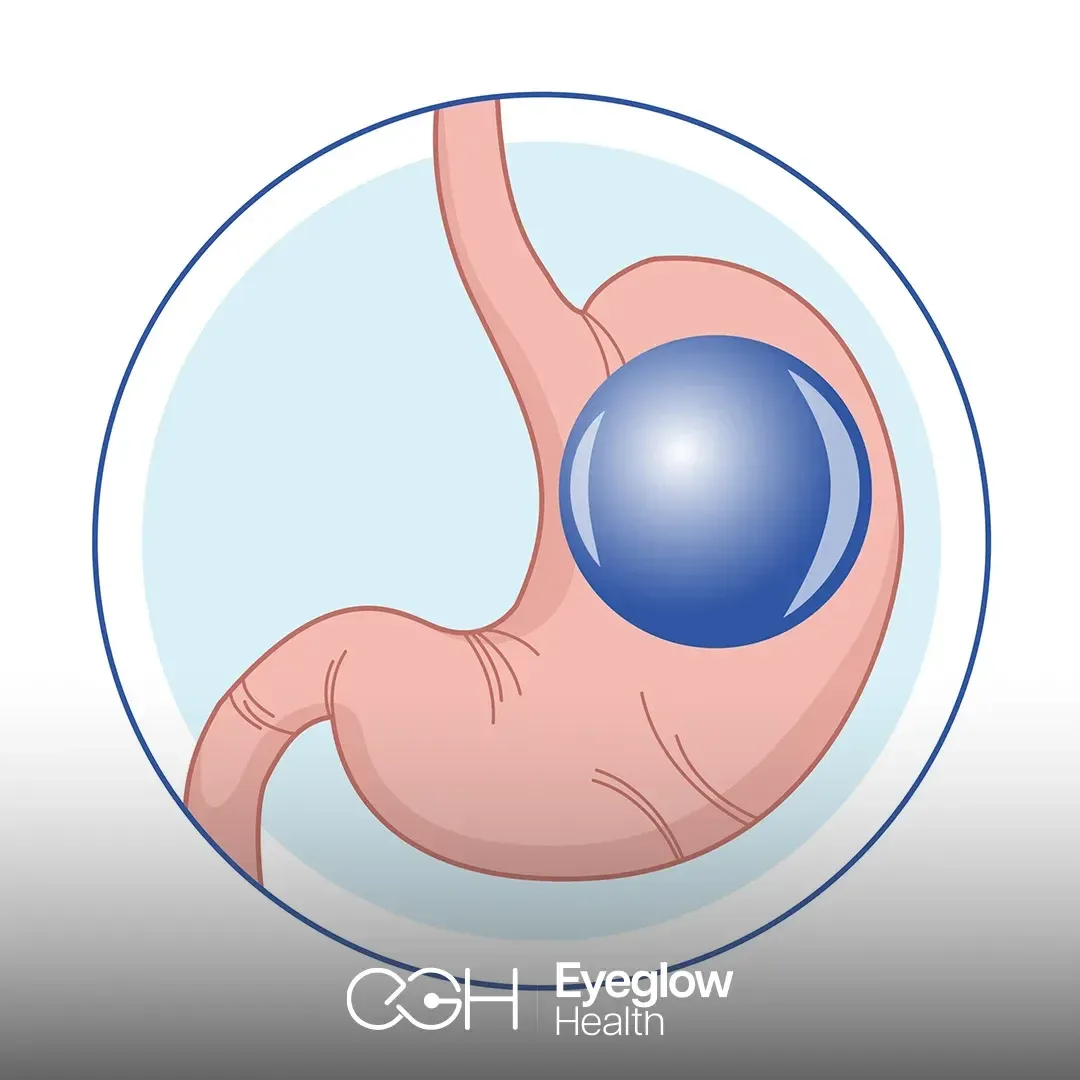
An intragastric balloon is a soft silicone device placed inside the stomach — endoscopically or swallowed as a capsule — and filled with saline to reduce available stomach space, producing earlier satiety and reducing total caloric intake. It is a reversible, non-surgical intervention indicated for BMI 27–35, pre-surgical conditioning, or surgery-averse patients. Average weight loss: 7–15 kg during the balloon period. There is no anatomical change, no incision, and no general anaesthesia in most cases.
At Eyeglow Health, intragastric balloon is coordinated through our accredited partner bariatric and endoscopy clinic in Istanbul. The endoscopist and aftercare nutrition team are partner specialists. Eyeglow Health is an eye-care specialist clinic — this partnership arrangement is disclosed transparently at every stage. Both Eyeglow and the partner clinic hold the Turkish Ministry of Health International Health Tourism Authority Certificate. We follow ASMBS (American Society for Metabolic and Bariatric Surgery) Position Statement on Intragastric Balloons (2018) and IFSO Global Registry guidance for candidacy selection, device choice, monitoring, and programme support.
Three devices are available: Orbera (Apollo Endosurgery, FDA-cleared 2015, 6-month, fluid-fill), Spatz3 (adjustable volume, 12-month, endoscopic), and Allurion (previously Elipse — swallowable capsule, no endoscopy, self-deflating at 16 weeks). Each has a distinct risk-benefit profile — device selection is based on your BMI, anatomy, sedation preference, and programme goals, not on which device the clinic prefers to place.
From eligibility review to post-removal follow-up
- 01
Online eligibility review — BMI, comorbidities, prior bariatric history
You share your height, weight, BMI, medical history, and current medications. Our partner endoscopist reviews ASMBS and IFSO intragastric balloon criteria — typically BMI 27–35, no prior bariatric surgery, no large hiatus hernia (>5 cm), no history of oesophageal or gastric disease. If you have a prior bariatric procedure or contraindicated anatomy we tell you honestly before any package is quoted. Balloon is also considered for higher BMI patients as pre-surgical conditioning before gastric sleeve.
- 02
Pre-procedure assessments in Istanbul (day 1)
Blood panel (CBC, metabolic profile, HbA1c, liver function, thyroid, iron stores), upper-GI endoscopy to exclude hiatus hernia, active gastric ulcer, oesophagitis, varices or other pathology that would make balloon placement unsafe. Allurion capsule patients require a fluoroscopy screen instead of sedation. Your dietitian conducts an initial nutrition assessment to set caloric targets and protein goals for the balloon period.
- 03
Endoscopist consultation + balloon type selection + informed consent
The endoscopist discusses all three balloon options, expected weight-loss range (7–15 kg average, not guaranteed), the importance of structured lifestyle support during and after the balloon period, removal protocol, and the honest data on post-removal regain (approximately 50% within 12 months without continued lifestyle change, per published registry data). FDA adverse event transparency: the Orbera and ReShape balloons were associated with reports of spontaneous hyperinflation and five patient deaths reported to FDA in 2017–2018; updated labelling, endoscopic monitoring and strict BMI eligibility reduce but do not eliminate this risk.
- 04
Balloon placement (Orbera / Spatz3 — 20–30 minutes under light sedation)
Under light intravenous sedation, a deflated silicone balloon is advanced through the mouth via endoscopy and positioned in the stomach body. For Orbera, the balloon is filled with 400–700 ml of sterile saline tinted with methylene blue (a colour indicator — blue-tinted urine indicates balloon deflation and requires urgent contact). For Spatz3, the adjustable port allows later volume increase or decrease via a brief outpatient endoscopy if tolerance or weight loss is suboptimal. The endoscope is withdrawn, the patient recovers for 30–60 minutes, and most patients are discharged the same day or next morning.
- 04b
Allurion capsule placement (swallowable — no endoscopy, no sedation)
Allurion (formerly Elipse) is swallowed as a small capsule attached to a thin fill tube under X-ray guidance. Once the capsule is in the stomach, the balloon inside is filled with approximately 550 ml of fluid via the fill tube, which is then withdrawn. No anaesthesia, no endoscopy, no incision. The balloon self-deflates and passes naturally via the bowel at approximately 16 weeks — no removal endoscopy required. Allurion is the lower-risk option for patients who wish to avoid sedation, but indwell is shorter and not adjustable.
- 05
First 72 hours — managing tolerance
The first 3–7 days involve nausea, cramping and vomiting in the majority of patients — this is expected and manageable. Anti-nausea medication (ondansetron, metoclopramide), proton-pump inhibitor (omeprazole) and antispasmodic (hyoscine) are prescribed at discharge. A clear liquid diet is maintained for the first week. Your coordinator is available 24/7; if vomiting is severe and persistent, an early endoscopy for volume adjustment or removal is arranged. Patients travelling home within 48–72 hours should confirm tolerance before flying — your coordinator coordinates this.
- 06
6-month structured lifestyle programme (for all balloon types)
Weekly dietitian video check-ins for the first 6 weeks, then monthly. A protein-priority, calorie-moderated plan (typical target 800–1,200 kcal) during the balloon period. Behavioural coaching: eating speed, plate composition, hunger recognition. Scheduled bloods at 3 months. The balloon is a mechanical assist — the dietary behaviour you build during the balloon period is what determines whether weight loss is maintained after removal. Patients who do not engage with the lifestyle programme almost universally regain.
- 07
Balloon removal (Orbera/Spatz3 — endoscopic at 6 or 12 months)
Removal is performed under light sedation. The balloon is punctured endoscopically, deflated, and withdrawn via the mouth. The procedure takes approximately 15–20 minutes. Longer indwell beyond labelled duration is contraindicated — an Orbera balloon left in place beyond 6 months carries ulceration and spontaneous deflation risk. After removal, a brief endoscopy confirms no mucosal damage. The follow-up phase begins immediately: continued dietitian support and weight monitoring for 6 months post-removal.
Orbera vs Spatz3 vs Allurion vs Gastric Sleeve
All three intragastric balloon devices achieve non-surgical weight loss with meaningfully different profiles. Gastric sleeve is included for context — to show the magnitude difference between balloon and surgical outcomes:
| Aspect | Orbera | Spatz3 | Allurion | Gastric Sleeve (for comparison) |
|---|---|---|---|---|
| Placement method | Endoscopic insertion under light sedation | Endoscopic insertion under light sedation | Swallowed as capsule — no endoscopy, no sedation | Laparoscopic surgery under general anaesthesia |
| Reversibility | Removed endoscopically at 6 months | Removed or adjusted endoscopically at 12 months | Self-deflates + passes naturally at ~16 weeks | Irreversible (stomach permanently removed) |
| Adjustability | Not adjustable after placement | Volume adjustable via outpatient endoscopy | Not adjustable | Not applicable |
| Average weight loss | 7–15 kg (15–30% EWL) | 10–18 kg (extended period) | 7–12 kg at 16 weeks | 28–40 kg (60–70% EWL at 5 years) |
| BMI range indicated | BMI 27–35 | BMI 27–40 | BMI 27–40 | BMI ≥35 (with comorbidity) or ≥40 |
| Hospital stay | 0–1 night | 0–1 night | None (outpatient) | 3 nights |
| Post-removal regain risk | High without lifestyle change (~50% within 12 months) | Moderate with extended programme | Moderate to high | Moderate (15–20% inadequate loss at 5 years) |
Personalised pricing
Every treatment plan is priced individually after your consultation. Request a written, all-inclusive quote — clear, itemised, and with no obligation.
Request a written quoteWhat's included in your gastric balloon package
Included in package
- Pre-procedure upper-GI endoscopy + blood panel + dietitian nutrition assessment
- Endoscopist consultation and balloon type selection review
- Balloon placement procedure at partner accredited endoscopy centre
- Light sedation (Orbera/Spatz3) · Fluoroscopy positioning (Allurion)
- Anti-nausea and anti-spasm medication kit for first-week tolerance
- VIP airport transfers + clinic transfers
- 6-month structured dietitian programme (weekly → monthly video sessions)
- Balloon removal endoscopy (Orbera/Spatz3) at 6 or 12 months
- Post-removal follow-up bloodwork interpretation + 6-month post-removal check-in
- Multilingual bariatric coordinator — 24/7 during stay and programme duration
Paid separately
Items below are not part of the medical package — your coordinator helps you arrange them at no markup.
- Flights to/from Istanbul
- Personal expenses and food after discharge
- Conversion to bariatric surgery if balloon is insufficient (quoted separately as bariatric package)
- Post-removal dietitian follow-up beyond the 6-month post-removal programme
- Travel insurance (recommended — covers flight cancellation, baggage, non-surgical medical emergencies abroad; we coordinate referral if needed)
Is a gastric balloon the right option for you?
You may be a good candidate if
- Your BMI is 27–35 — the range where ASMBS and IFSO position balloon as indicated without meeting bariatric surgery thresholds.
- You are considering bariatric surgery (BMI ≥35) but wish to trial a reversible, non-surgical option first, or need pre-surgical weight reduction to lower operative risk.
- You have a preference for non-surgical approaches and understand the weight loss is substantially lower than surgical options (average 7–15 kg vs 28–40 kg for sleeve).
- You are willing to engage fully with the 6-month structured lifestyle programme — without this the balloon is a short-term restriction tool only, and regain after removal is expected.
- You have no prior bariatric surgery, no hiatus hernia >5 cm, and are not taking NSAIDs regularly (NSAID use combined with intragastric balloon increases ulcer risk).
Balloon is not the right choice if
- Your BMI is above 40, or above 35 with obesity-related comorbidities — bariatric surgery (sleeve or bypass) gives substantially more durable weight loss. Balloon in this range is typically pre-surgical conditioning only.
- You have had prior bariatric surgery — balloon is generally contraindicated in an altered gastric anatomy.
- You have a large hiatus hernia (>5 cm) — increases displacement and aspiration risk.
- You take NSAIDs (ibuprofen, naproxen, diclofenac) regularly and are unable to stop — balloon combined with NSAIDs significantly increases gastric ulcer risk.
- You have known oesophageal varices, severe oesophagitis, or active gastric ulcer — balloon is contraindicated.
- You are not prepared to follow a structured dietary programme for the full balloon duration — the clinical benefit is directly proportional to lifestyle engagement.
Disclaimer. Information on this page is consistent with ASMBS Position Statement on Intragastric Balloons (2018), IFSO Global Registry guidance, and Turkish Ministry of Health International Health Tourism Authority Certificate requirements. Device selection and eligibility is a case-by-case clinical decision. This page includes transparent disclosure of FDA adverse event history (2017–2018 Safety Communications for Orbera and ReShape Duo) as required by informed consent standards. This is educational information — not medical advice.
Realistic outcomes — the risks that actually matter
Intragastric balloon is a lower-risk option than bariatric surgery, but carries its own profile of expected side effects and rare serious complications. We present these in the same plain language used at consultation:
Nausea and vomiting (first 3–7 days — nearly universal)
Nearly all patients experience nausea, cramping, and vomiting in the first 3–7 days after placement — this is an expected physiological response, not a complication. Anti-nausea and antispasmodic medication is prescribed at discharge. Most symptoms resolve by day 7. If vomiting is severe and persistent (>72 hours), the endoscopist will assess whether a volume adjustment or early removal is appropriate. Patients should not be driving or operating machinery in the first 48–72 hours post-placement.
Spontaneous deflation (1–2%)
Spontaneous balloon deflation occurs in approximately 1–2% of Orbera placements per published registry data. The methylene blue dye in the saline fill acts as a clinical indicator — patients who notice blue-green tinting of their urine should contact the coordinator immediately and attend for an endoscopy to confirm deflation and plan early removal. A deflated balloon can migrate distally and cause intestinal obstruction if not promptly removed. Allurion balloons are designed to self-deflate and pass at 16 weeks, which is its intended mechanism.
Gastric ulceration (2–3%)
Contact pressure from the balloon against the gastric mucosa can cause erosion or ulceration. Risk factors include balloon-over-fill, continued NSAID use, and prolonged indwell. Proton-pump inhibitor (omeprazole) is prescribed throughout the balloon period to reduce acid and mucosal injury risk. Patients with known H. pylori are treated before placement. Symptoms of ulceration include new-onset pain, haematemesis or melaena — immediate contact with the coordinator is required.
FDA adverse event history — hyperinflation and fatalities (2017–2018 reports)
In 2017–2018, the US Food and Drug Administration (FDA) issued a Safety Communication and updated labelling for Orbera (Apollo Endosurgery) and ReShape Duo (ReShape Medical) intragastric balloons following reports of five patient deaths and spontaneous over-inflation events. Contributing factors in the reported cases included: spontaneous deflation or hyperinflation, delayed response to acute complications, and off-label use outside BMI criteria. FDA subsequently required a Patient Checklist and endoscopic monitoring protocol. At Eyeglow Health, we disclose this history at consultation — patients should know this record exists before consenting. The ReShape Duo balloon was withdrawn from the market; Orbera remains available under updated safety labelling. Allurion (Elipse) is a different mechanism (self-deflating capsule) and was not part of the 2017–2018 adverse event reports.
Post-removal weight regain (common without lifestyle change)
Published data consistently show that approximately 50% of intragastric balloon patients regain the majority of weight within 12 months of balloon removal if no sustained lifestyle change is maintained. The balloon provides mechanical restriction for its duration — it does not produce the hormonal changes that occur after bariatric surgery (ghrelin reduction in sleeve, or GLP-1 enhancement in bypass). Patients who do not engage with dietitian support during and after the balloon period should expect weight regain as the norm, not the exception. We are direct about this in consultation: the balloon is a behavioural change tool with a time limit, not a standalone treatment.