.png)

What is Cataract? Symptoms and Treatment Methods
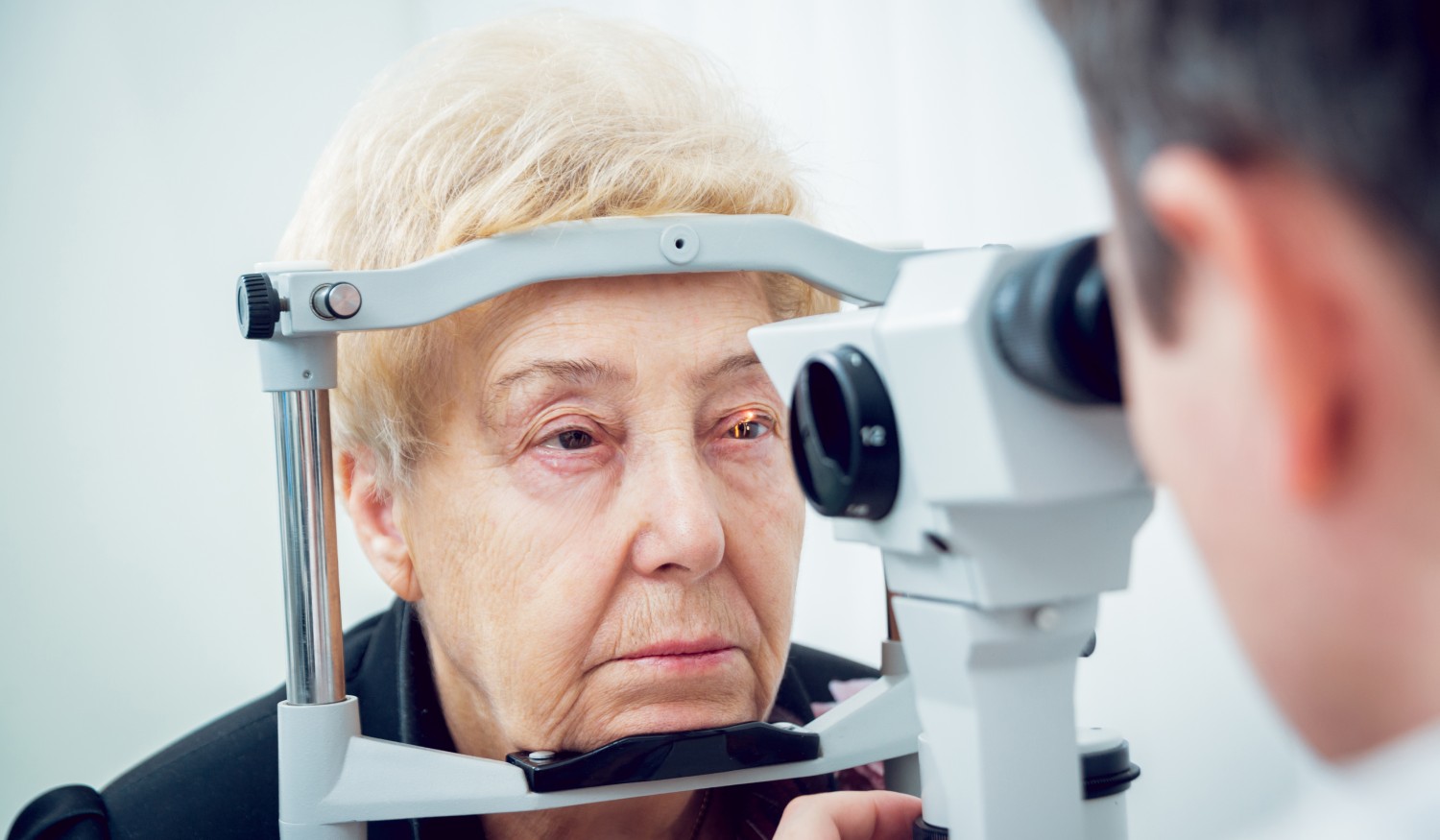
What is Cataract?
Cataracts are a disease that causes vision loss as a result of the lens of the eye losing its transparency and becoming cloudy. It usually occurs due to aging, but factors such as diabetes, eye injuries or long-term cortisone use can also contribute to the development of cataracts. Symptoms include blurred vision, sensitivity to light, fading of colors and poor night vision. Since cataracts are a progressive disease, early diagnosis is very important. The most effective method for treatment is surgery. In cataract surgeries performed with modern techniques, the cloudy natural lens is removed and replaced with an artificial lens. In this way, patients regain their vision to a large extent.
A cataract is a common eye condition where the natural lens of the eye becomes cloudy, leading to blurry vision and, if left untreated, eventual loss of sight. The lens of a healthy eye is normally clear, allowing light to pass through it easily and focus on the retina to create a sharp image. However, when a cataract forms, proteins in the lens begin to clump together, causing areas of the lens to become opaque. This cloudiness obstructs the passage of light, resulting in vision problems.
Cataracts are most commonly associated with aging, but they can also be caused by other factors such as trauma, certain medications, diseases like diabetes, prolonged exposure to ultraviolet light, or can even be congenital (present at birth).
Symptoms of Cataract
Cataracts typically develop slowly and may not initially disturb vision. Over time, however, they can significantly impair daily activities. Common symptoms of cataracts include:Blurry or cloudy vision: Vision may appear foggy, hazy, or less colorful.
Difficulty with night vision: Cataracts often make it harder to see at night or in low light conditions.
Sensitivity to light and glare: Bright sunlight or headlights may cause discomfort or glare.
Seeing halos around lights: Lights may appear to have a halo or glow around them.
Frequent changes in prescription glasses or contact lenses: Vision may fluctuate more often than normal.
Fading or yellowing of colors: Colors may seem duller or less vibrant.
Double vision in a single eye: This symptom may occur when cataracts cause the light entering the eye to scatter.
If you experience any of these symptoms, it is important to consult an eye care professional for an accurate diagnosis.
Causes and Risk Factors
While aging is the most common cause of cataracts, several other factors can contribute to their development:Age over 60
Genetic predisposition
Diabetes
Smoking and alcohol consumption
Prolonged exposure to ultraviolet (UV) radiation
Eye injuries or surgeries
Long-term use of corticosteroid medications
By understanding these risk factors, individuals can take proactive steps, such as protecting their eyes from UV rays and maintaining a healthy lifestyle, to potentially delay the onset of cataracts.
Conclusion
Cataracts are a common but treatable cause of vision loss, especially in older adults. Recognizing the symptoms early and seeking professional care can make a significant difference in maintaining quality of life. Thanks to modern surgical techniques, cataract removal is safe, effective, and life-changing for millions of people every year. If you notice changes in your vision, don't delay—schedule an eye examination to safeguard your sight.