.png)

Blue Light and Eye Health: Ways to Protect Yourself from Screens

What is Blue Light?
Nowadays, screen usage time has increased dramatically. Smartphones, computers and tablets have become an indispensable part of our lives. However, the blue light emitted from these devices can have negative effects on eye health in the long term. Eye fatigue, dryness, blurred vision and headaches are among the results of long-term exposure to blue light. So, what can be done to protect yourself? First of all, it is important to limit screen time and, if possible, look 20 meters away for 20 seconds every 20 minutes (20-20-20 rule). In addition, blue light filter glasses and screen protectors are among the effective solutions. You can increase both your health and comfort by protecting your eyes from the negative effects of the digital world.
Blue light is a portion of the visible light spectrum that has a short wavelength and high energy. It is emitted naturally by the sun but also artificially by digital screens like smartphones, tablets, computers, and LED lighting. While exposure to natural blue light during the day helps regulate our sleep-wake cycle (circadian rhythm), too much exposure—especially from screens—can have negative effects on eye health and overall well-being.
In today's digital world, where people spend hours daily in front of devices, concerns about the long-term impact of blue light have grown significantly.
How Blue Light Affects Eye Health
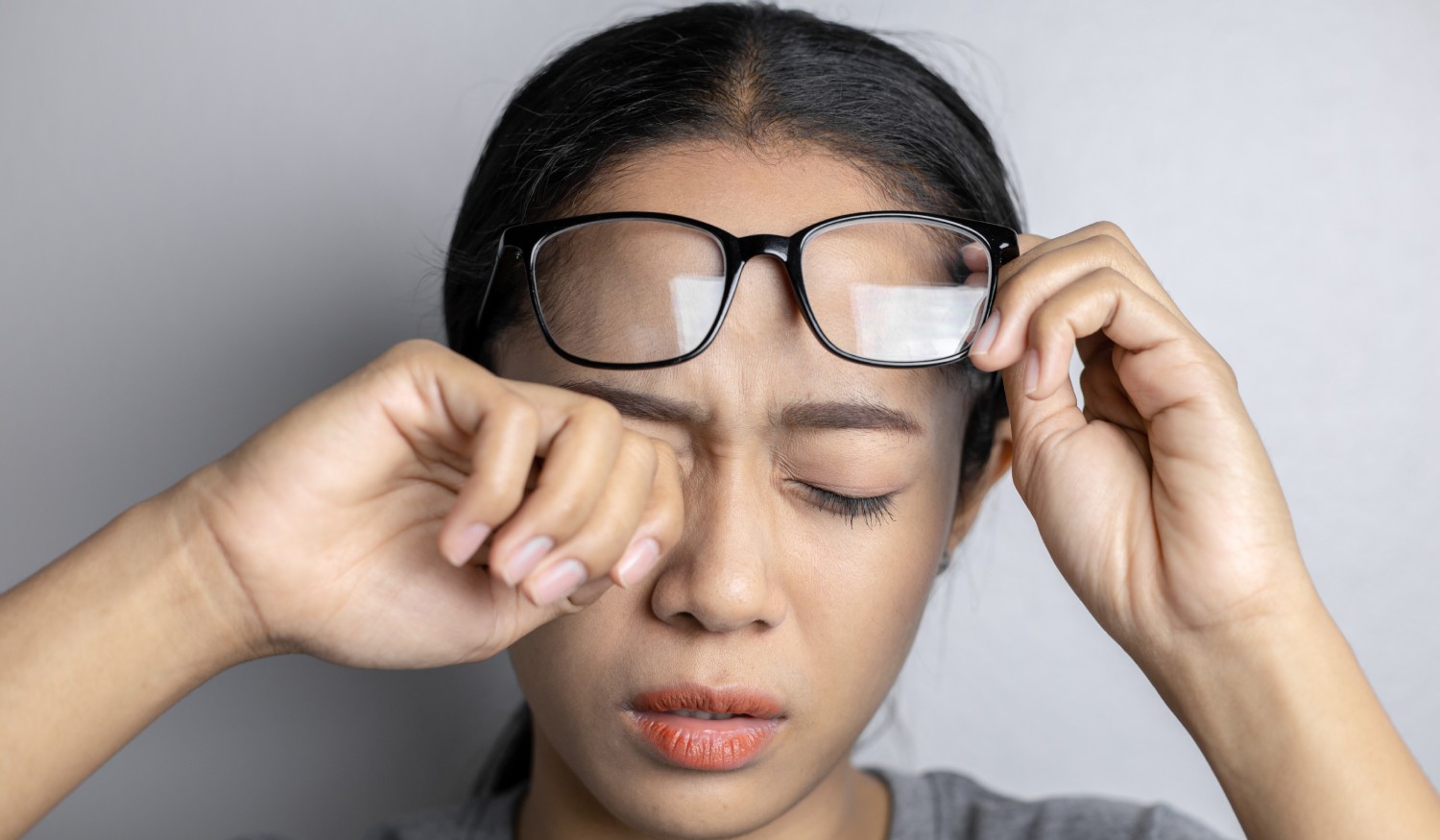
1. Digital Eye StrainOne of the most immediate effects of prolonged exposure to screens is digital eye strain, sometimes called computer vision syndrome. Symptoms include:
Dry or irritated eyes
Blurry vision
Headaches
Neck and shoulder pain
Difficulty focusing
These symptoms occur because staring at screens reduces blink rates and forces the eyes to work harder to focus on small text and images.
2. Potential Retina Damage
Some research suggests that extended exposure to high-energy blue light may contribute to retinal stress and potentially increase the risk of age-related macular degeneration (AMD), a leading cause of vision loss over time. Although the evidence is still evolving, the concern is enough to encourage protective habits, especially for people who spend significant time on digital devices.
3. Disrupted Sleep Patterns
Exposure to blue light in the evening hours can suppress melatonin production, the hormone responsible for making you feel sleepy. This can disrupt natural sleep cycles, leading to insomnia, poor sleep quality, and daytime fatigue. Over time, poor sleep is linked to a host of health problems, including weakened immune function, depression, and cardiovascular disease.
Conclusion
While digital devices have become an essential part of modern life, it's important to be mindful of the potential risks associated with prolonged blue light exposure. By adopting simple, protective habits and using available technologies, you can significantly reduce eye strain, improve your sleep quality, and protect your long-term vision health.